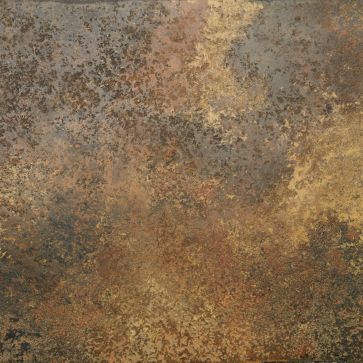
Microcement vs Venetian Plaster: Which Finish Is Right for Your Melbourne Home?
If you’re renovating a home in Melbourne or planning a new build, you’ve likely come across two of the most sought-after decorative finishes in modern Australian interiors: microcement and venetian plaster. Both deliver a handcrafted, seamless look that paint simply cannot match — but they’re very different materials suited to different applications. Choosing the wrong one for your space can mean compromised durability, unexpected maintenance, or a finish that doesn’t perform in Victoria’s variable climate.
This guide breaks down the key differences between microcement and venetian plaster across the factors that matter most for Australian homeowners: durability, waterproofing, aesthetics, cost, and where each material performs best.
What Is Venetian Plaster?
Venetian plaster (stucco veneziano) is a traditional Italian wall finishing technique dating back centuries. It’s made from slaked lime mixed with fine marble dust and applied in multiple thin layers, then burnished by hand to create a surface with extraordinary depth and luminosity. The result is a finish that resembles polished marble or natural stone, with subtle variations in colour and tone that shift as light moves across the wall throughout the day.
Because venetian plaster is lime-based, it’s naturally breathable, antimicrobial, and contains zero volatile organic compounds (VOCs). These properties make it particularly appealing for Melbourne’s heritage homes and for homeowners who prioritise natural, eco-friendly materials. In Victoria’s climate, the breathability of lime plaster helps regulate indoor humidity — absorbing moisture when the air is damp and releasing it when conditions dry out.
What Is Microcement?
Microcement is a more modern material, developed as a thin-layer cement-polymer overlay that can be applied to virtually any surface — walls, floors, ceilings, benchtops, and even furniture. It’s composed of cement, polymers, fine aggregates, and mineral pigments, typically applied in layers of just 2–3mm thick. The result is a smooth, seamless finish with a contemporary, industrial aesthetic often compared to polished concrete.
Unlike venetian plaster, microcement is engineered for durability and versatility rather than artisanal tradition. Its cement-based composition gives it exceptional hardness and flexibility, and when properly sealed it can be made fully waterproof — a critical distinction for bathroom and wet area applications in Australian homes.
Head-to-Head Comparison
|
Feature |
Microcement |
Venetian Plaster |
|
Composition |
Cement, polymers, fine aggregates |
Natural lime, marble dust |
|
Aesthetic |
Modern, industrial, seamless concrete look |
Luxurious, marble-like depth and luminosity |
|
Surfaces |
Walls, floors, ceilings, benchtops, furniture, pools |
Walls and ceilings only |
|
Wet areas |
Fully waterproof when sealed |
Water-resistant with specialist sealers; not for direct water exposure |
|
Floors |
Yes — durable enough for high-traffic areas |
Not recommended for floors |
|
Exterior use |
Yes — handles all climates |
Not recommended outdoors |
|
Durability |
Very high — crack-resistant, impact-resistant |
Good on walls; improves with age as lime carbonates |
|
Eco-friendliness |
Moderate — contains polymers; sealing reduces breathability |
Excellent — natural, breathable, zero VOC, fire-resistant |
|
DIY suitability |
Not recommended — requires trained applicators |
More DIY-friendly for small wall areas |
|
Maintenance |
Low — reseal periodically in wet areas |
Low — occasional waxing; minor repairs possible |
|
Cost (installed) |
$250–$550+/m² (inc. GST) depending on area |
$200–$250+/m² (plus GST) for walls |
Aesthetic: Industrial vs Classical
The aesthetic difference between these two finishes is perhaps the most important factor for homeowners. Microcement delivers a clean, modern look with subtle trowel marks and a uniform colour tone. It suits contemporary Melbourne homes, minimalist renovations, and commercial spaces where a seamless, understated backdrop is the goal. The finish is often compared to polished concrete, though it’s far thinner and lighter.
Venetian plaster, by contrast, creates a richer, more layered appearance. Because it’s applied in multiple translucent layers and hand-burnished, the surface develops a luminous depth that changes with the light — a quality sometimes described as “glowing from within.” The finish can range from a soft matte to a high-gloss mirror-like sheen. It’s the natural choice for feature walls in living rooms, bedrooms, and heritage restorations where warmth and visual complexity are desired.
Waterproofing and Wet Areas
This is where the two materials diverge most sharply, and it’s especially relevant for Victorian homes where bathroom renovations are one of the most common upgrade projects.
Microcement can be fully waterproofed and is widely used in showers, bathroom floors, splashbacks, laundry areas, and even swimming pools. When applied over a proper waterproofing membrane and sealed correctly, it creates a completely impervious surface that meets Australian wet area standards.
Venetian plaster is breathable and humidity-tolerant, making it suitable for bathroom walls that don’t receive direct water contact — such as the wall opposite the shower or above a vanity. However, it should not be used inside shower recesses or in any area with constant water exposure. Even with specialist sealers, lime-based plasters are not designed for waterproof applications.
If your project involves a complete bathroom transformation with seamless walls and floors throughout the wet zone, microcement is the clear choice. If you want an elegant feature wall in a powder room or ensuite that stays dry, venetian plaster is a stunning option.
Durability and Longevity in Melbourne’s Climate
Melbourne’s famous “four seasons in one day” climate puts real demands on building materials. Both finishes hold up well indoors, but they respond differently to environmental stress.
Microcement’s cement-polymer composition gives it superior flexibility and crack resistance. It handles thermal expansion and contraction well, making it suitable for both interior and exterior applications across Victoria — from bayside Highett to alpine retreats in the Dandenong Ranges. It won’t degrade with UV exposure when properly sealed.
Venetian plaster actually improves with age. As the lime in the plaster continues to carbonate over time (a natural chemical process where lime absorbs CO₂ from the air), the surface becomes progressively harder and more durable. This is why centuries-old venetian plaster still looks extraordinary in Italian palazzos. Indoors in Melbourne, a well-applied venetian plaster wall will last decades with minimal maintenance. It’s not suited to exteriors, though, as rain and UV will degrade the finish.
Cost Comparison for Melbourne Projects
Both finishes are premium products that sit well above the cost of standard paint, but the price difference varies depending on the application:
- Venetian plaster on walls: $200–$250+ per m² (plus GST) installed, depending on the product, number of coats, and finish complexity. Simple single-colour applications sit at the lower end; multi-tonal, high-gloss finishes at the upper end.
- Microcement on walls: $250–$500+ per m² (plus GST) installed, with wet areas trending toward the higher end due to waterproofing requirements.
- Microcement on floors: From $250+ per m² (plus GST), making it competitive with high-quality tiles when you factor in the seamless, grout-free result.
- Microcement in bathrooms (full wet zone): $350–$550+ per m² (plus GST) depending on scope, surface preparation, and design complexity.
For a feature wall in a living room, venetian plaster is typically the more cost-effective and aesthetically appropriate choice. For a full bathroom renovation with seamless floors and walls, microcement offers better value because it eliminates the need for tiles, grout, and separate waterproofing trades.
Which Should You Choose?
Choose venetian plaster if: you want a luxurious, luminous wall finish with natural depth and warmth; you’re creating feature walls in living areas, bedrooms, or dining rooms; you value eco-friendly, breathable, natural materials; or you’re restoring a heritage property in Melbourne’s inner suburbs.
Choose microcement if: your project includes bathrooms, wet areas, or floors; you want a seamless, modern aesthetic throughout an open-plan space; you need a material that works both indoors and outdoors; or you’re after a contemporary industrial look for a new build or commercial fitout.
Choose both if: you want the best of both worlds. Many Melbourne homes now use microcement in the bathroom and kitchen, with venetian plaster on feature walls in the living and bedroom areas. The materials complement each other beautifully when specified by a professional.
See Both Finishes in Person
The best way to understand the difference between microcement and venetian plaster is to see and touch real samples. ELF Decor’s showroom in Highett, Victoria displays wide spectrum of decorative finishes, including a range of venetian plasters and modern coatings that span both styles discussed in this guide.
Visit the showroom at 11/250 Wickham Road, Highett VIC 3190, or call (03) 7302 0578 to book a consultation with our team. We’ll help you choose the right finish for your Melbourne project and connect you with certified applicators across Victoria.